
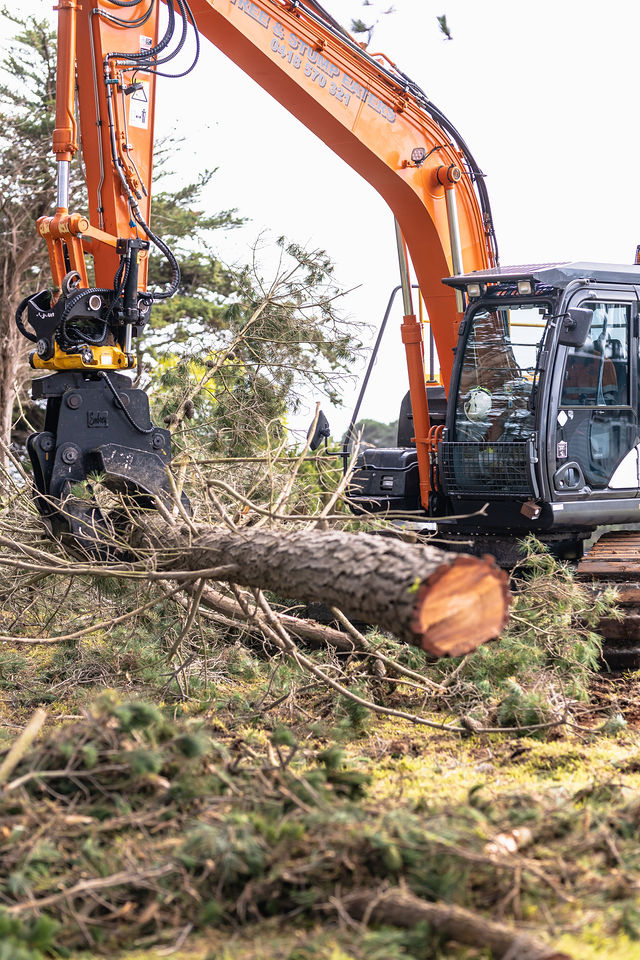
Tree removal projects can vary significantly from one property to another. While removing a small tree may appear relatively straightforward, larger trees often require additional planning, specialised equipment, and a more detailed approach. Factors such as tree species, accessibility, safety risks, and surrounding structures can all influence how the work is carried out. Understanding these differences can help property owners make informed decisions when arranging Tree Removal Langwarrin services.
Why Large Tree Removal Often Takes Longer Than Small Tree Removal
One of the most noticeable differences between large and small tree removal is the amount of work involved. Small trees generally have fewer branches, lighter trunks, and less complex root systems, allowing removal work to be completed more efficiently.
Large trees, however, often require a staged removal process. Branches may need to be removed individually before the trunk can be dismantled safely. The larger the tree, the more planning is typically required to protect nearby structures and maintain a safe work environment.
For homeowners, this often means that large tree removal projects involve more preparation than smaller removals.
How Tree Species Can Influence Removal Costs and Planning
Tree size is only one factor that affects the removal process. Different tree species can present unique challenges depending on their growth habits, canopy structure, and location within the landscape.
Why Palm Tree Removal Is Often Different From Gum Tree Removal
Palm Tree Removal is often approached differently from the removal of mature gum trees. Palms usually have a more predictable structure, with fewer large lateral branches and a single trunk.
Gum trees, by comparison, can develop expansive canopies and heavy limbs that require more detailed planning. Their size and spread can influence access requirements, equipment selection, and the overall removal strategy.
This is one reason why experienced arborists assess each tree individually rather than applying the same approach to every project.
When Tree Pruning or Tree Lopping May Be Recommended Before Removal
Not every tree that appears problematic requires immediate removal. In some situations, Tree Pruning or Tree Lopping may be recommended before a final removal decision is made.
Removing selected branches can help reduce canopy weight, improve clearances around structures, and address safety concerns. For some trees, these services may provide an effective solution that extends the useful life of the tree while reducing risks to the property.
Professional arborists can determine whether tree management or complete removal is the most practical option based on the tree’s condition and long-term suitability.
What Can Affect the Cost of Tree Removal Services?
Property owners often assume that tree height alone determines the cost of a removal project. While size certainly plays a role, several other factors can influence the level of work involved.
Some of the most common considerations include:
- Tree species
- Accessibility to the site
- Proximity to buildings
- Tree condition and stability
- Required equipment
- Amount of debris generated
A large tree growing in an open area may be easier to remove than a smaller tree positioned between buildings or close to valuable structures.
How Professional Arborists Plan Large Tree Removal Projects
Successful large tree removal projects begin long before the first branch is cut. Arborists carefully assess site conditions, identify potential hazards, and determine the safest removal method for the specific situation.
Planning may involve:
- Assessing surrounding structures
- Evaluating access points
- Identifying safety risks
- Determining equipment requirements
- Developing a staged removal strategy
This preparation helps ensure the work is completed efficiently while protecting nearby property and landscaping features.
Finding a Trusted Tree Removal Service for Large Trees
Choosing the right contractor becomes increasingly important when dealing with larger trees. Complex removals require experience, proper equipment, and a thorough understanding of safe arboricultural practices.
When comparing providers, homeowners often look for:
- Qualified arborists
- Experience with large tree removals
- Appropriate insurance coverage
- Strong local reputation
- Comprehensive tree services
Working with a trusted tree removal langwarrin provider can help ensure the project is completed safely and professionally.
Why Emergency Tree Removal Can Be More Complex Than Planned Removal
Planned tree removals allow time for inspections, scheduling, and preparation. Emergency Tree Removal situations are often very different.
Storm-damaged trees, fallen limbs, and unstable trunks can create immediate hazards that require urgent action. In many cases, arborists must work around damaged structures, restricted access, or dangerous tree conditions while prioritising safety.
Large trees affected by severe weather can be particularly challenging due to their size and the unpredictable nature of storm damage.
Stump Grinding Considerations After Large and Small Tree Removal
Once a tree has been removed, attention often turns to the remaining stump. While some property owners choose to leave stumps in place temporarily, many eventually decide to remove them to improve the appearance and functionality of the landscape.
Why Larger Trees Often Leave Behind More Challenging Stumps
Large trees generally produce larger stumps and more extensive root systems than smaller trees. As a result, Stump Grinding may require additional equipment and more time to achieve the desired result.
Removing the stump can help free up usable space, support future landscaping projects, and improve the overall presentation of the property.
Get Professional Arborist Advice Before Planning Tree Removal in Langwarrin
The difference between large and small tree removal involves much more than the height of a tree. Factors such as tree species, site access, surrounding structures, safety considerations, and future landscape plans can all influence the process. Whether you’re dealing with a mature gum tree, a palm tree, or a smaller ornamental species, professional arborist advice can help you understand the most appropriate approach and ensure tree removal work is completed safely and efficiently.